
Deep TMS for Depression and OCD: What to Know Before You Begin
Deep TMS offers a new path when traditional treatments for depression or OCD haven’t brought relief. You might feel stuck after trying medications or therapy without the results you hoped for. This approach uses targeted magnetic pulses to reach deeper brain areas, providing a noninvasive depression treatment that fits into your daily life. In this guide, you’ll learn what to expect from Deep TMS, how it differs from standard TMS, and how it fits with an inclusive, minimal-medication care model like ours at Resonance Mental Health. Learn more about Deep TMS with this resource: [https://clinicaltmssociety.org/tips-and-updates-on-tms-treatment-of-ocd/].
Understanding Deep TMS

Let’s dive into what Deep TMS is all about. This section will give you a clear picture of how it works and who it can help.
How Deep TMS Works
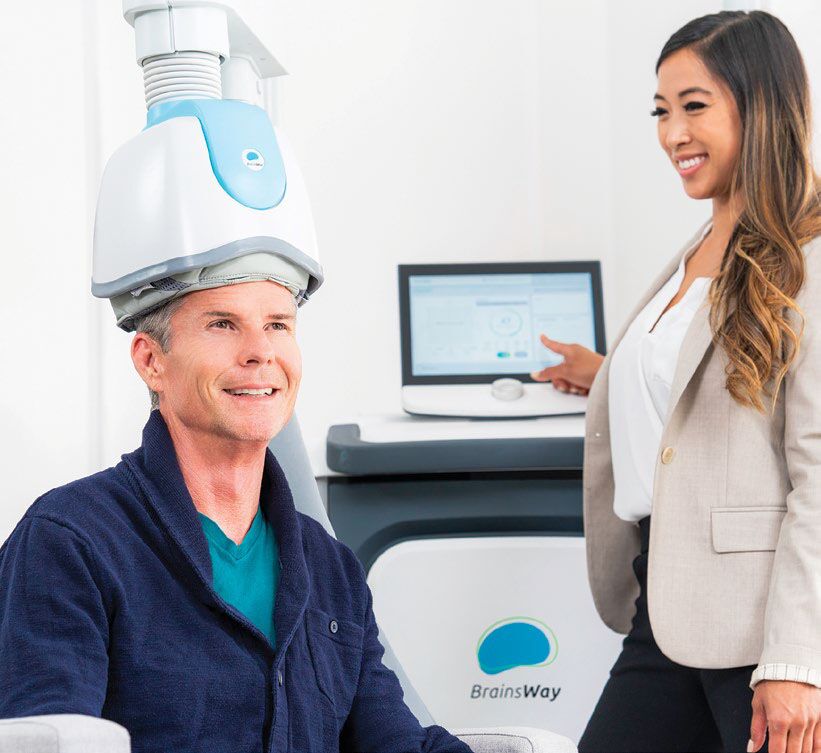
Deep TMS uses magnetic pulses to target specific brain areas linked to mood regulation. Unlike medications, it doesn’t come with systemic side effects. During a session, you wear a helmet that delivers these pulses while you relax in a chair. Sessions are brief, typically lasting about 20 to 30 minutes. Most patients can fit this treatment into their daily routine with ease, allowing them to continue with normal activities right after. This makes Deep TMS a convenient choice for many. You can find more details on how TMS works on Yale Medicine’s website.
Deep TMS vs Traditional TMS
How does Deep TMS differ from the traditional version? The difference lies in the depth of the brain areas reached. Deep TMS goes further, allowing it to potentially address symptoms that regular TMS might not. Traditional TMS is effective for some, but Deep TMS offers a broader range, particularly for treatment-resistant conditions. This deeper reach is what sets it apart, offering hope for those who haven’t found relief with other methods.
Who Benefits from Deep TMS
Deep TMS is especially beneficial for those with depression or OCD that hasn’t responded to standard treatments. If medications haven’t worked or caused unpleasant side effects, this might be a suitable option. It’s also a viable choice for those looking to minimize medication use while exploring effective therapies. Most people believe medication is the only path, but Deep TMS challenges this assumption by offering a non-medication alternative.
Preparing for Your Treatment

Before starting Deep TMS, it’s important to know what to expect and how to prepare. This section will guide you through the necessary steps.
Deep TMS Eligibility Criteria
Not everyone is eligible for Deep TMS. You need to meet certain criteria, such as having a diagnosis of depression or OCD. It’s also crucial to ensure you don’t have any metal implants near your head, as this can interfere with the treatment. Discussing your medical history with your doctor will help determine if this therapy is right for you. Are you worried about eligibility? Speak to your healthcare provider to learn more.
What to Expect Before Treatment
Before beginning, you’ll have a mapping session where your treatment is tailored specifically to you. This helps in targeting the right brain areas. You won’t need to stop your current medications unless advised by your doctor. Remember, consistency is key: regular sessions are essential for optimal outcomes. Preparing mentally and scheduling your sessions in advance can help make the process smoother.
Insurance and Cost Considerations
Cost is a significant factor to consider. Many insurance plans cover Deep TMS for conditions like depression and OCD. However, coverage can vary, so it’s wise to check with your provider beforehand. Out-of-pocket costs are also a possibility, depending on your specific plan. It’s important to have a clear understanding of potential expenses. For more insight on insurance coverage, you can visit resources like the International OCD Foundation.
During and After Deep TMS Sessions
Knowing what happens during and after sessions can ease any anxiety. Here’s what you need to know.
What Happens During a Session
During a session, you’ll sit comfortably while the device delivers magnetic pulses. You might feel a tapping sensation on your scalp, but it’s generally painless. Each session is short, lasting about 20 minutes. This allows for minimal disruption to your daily life. Most patients can resume their usual activities right after. This ease of integration is a major benefit for those leading busy lives.
Managing Deep TMS Side Effects
Side effects are often mild and temporary. Some people experience a light headache or scalp discomfort, which usually fades after a few sessions. It’s important to communicate with your provider if you experience any discomfort so they can adjust your treatment. Deep TMS offers a safe profile compared to other treatments. Remember, reporting changes can help tailor your care.
Post-Treatment Expectations and Maintenance
After completing a course of Deep TMS, many patients report lasting symptom relief. However, maintenance sessions might be recommended to sustain results. These are typically less frequent and can be scheduled as needed. It’s important to monitor your symptoms and maintain open communication with your healthcare provider to ensure continued success. The longer you wait to address symptoms, the more challenging they can become, so proactive engagement is key.
Leave a Reply